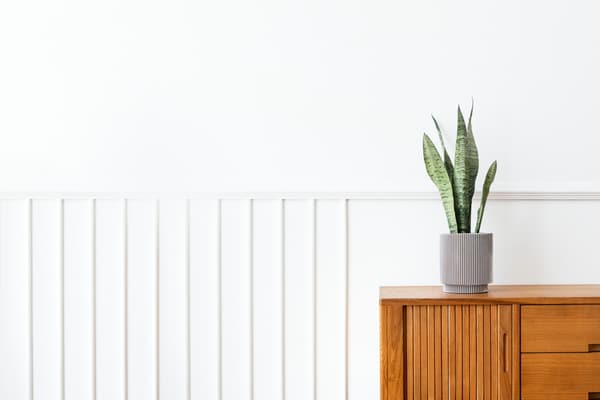
More and more shoppers are telling us the same thing: they don't want a room that looks like it came out of one catalog page. They want their grandmother's warmth with today's clean lines. The good news? Traditional and modern casegoods can absolutely live in the same room — you just need a few rules of thumb to keep it from feeling like two different houses collided.
Here's how to guide customers (or style your own space) with confidence.
Find Your Perfect Style Mix
Explore our wide selection of traditional and modern furniture to create the perfectly blended space for your home.
Shop Living Room Furniture1. Let One Era Lead
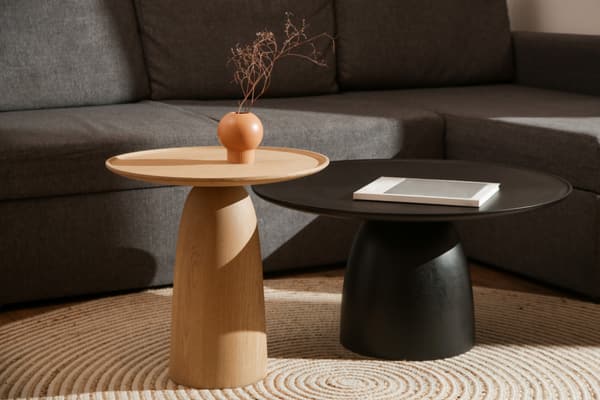
Pick which style owns the room — say, 60% traditional, 40% modern — rather than splitting evenly. An even split reads as indecisive; a clear lead with supporting accents reads as intentional.
Example: Anchor the room with a traditional cherry or dark-finished dresser with classic raised-panel drawers, then bring in a nightstand with a simpler silhouette — clean lines, tapered legs, minimal hardware — as the modern accent.
2. Match Undertones, Not Styles
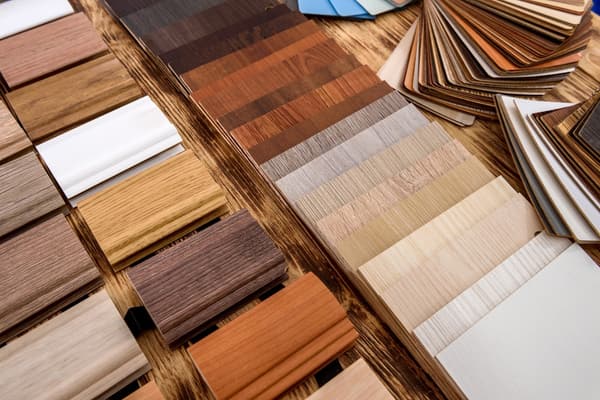
Wood tones don't need to match in style to work together, but their undertones (warm vs. cool) should agree. A warm cherry traditional piece paired with a cool gray modern piece will fight each other. Pair warm with warm, cool with cool, even across eras.
Example: A traditional oak dining set with amber undertones pairs better with a modern buffet in a warm walnut than one in a cool driftwood gray.
3. Repeat a Metal or Hardware Finish
Modern nightstand hardware
Alt: A close-up of a modern nightstand
Title: iStock Credit: szakalikus
Hardware is the fastest way to visually tie mismatched pieces together. If your traditional bed has brushed brass accents, pull that same brass into the modern dresser's pulls or a nearby lamp.
4. Use Modern Pieces for Function, Traditional for Statement
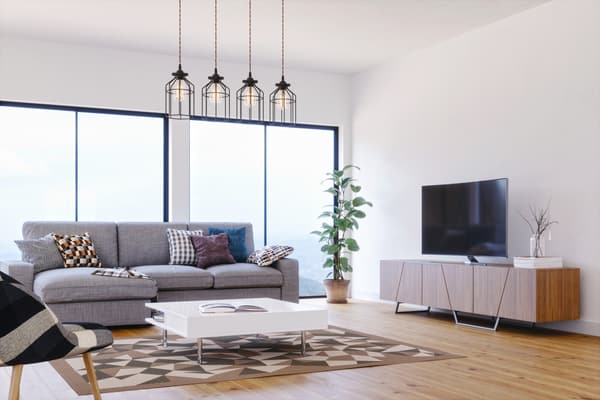
A simple trick: let modern casegoods handle the everyday workhorses (media consoles, nightstands, low profile chests) while traditional pieces take the visual statement roles (headboards, dining tables, china cabinets). This keeps the eye landing on one clear focal point instead of two competing ones.
5. When in Doubt, Check the Quality Tier First

Mixing styles is easier when the quality level is consistent. A Platinum-tier traditional piece paired with a Bronze-tier modern piece will feel mismatched in more than just style — the difference in construction and finish will show. Aim to keep your mixed pieces within one tier of each other so the craftsmanship feels cohesive even when the aesthetics differ.
The takeaway: mixing traditional and modern casegoods isn't about matching — it's about letting one style lead, keeping wood tones and hardware speaking the same language, and matching craftsmanship quality across pieces. Done right, it feels curated, not accidental.
Look at groups like the Liberty Rustic Traditions and the Lifestyle Amber bedroom collections — both are traditional at their core, but both have real potential to be paired with the right modern accent pieces. Next time you're walking the showroom floor, try the exercise yourself: pick one of these traditional pieces and a modern counterpart, and see how many of the five rules above they already satisfy.