At a Glance
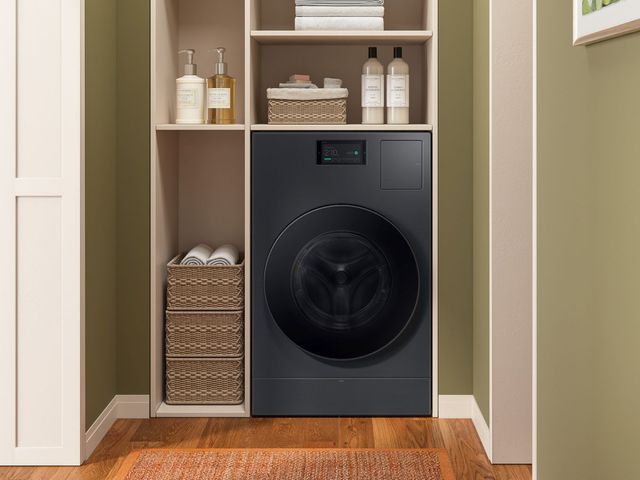
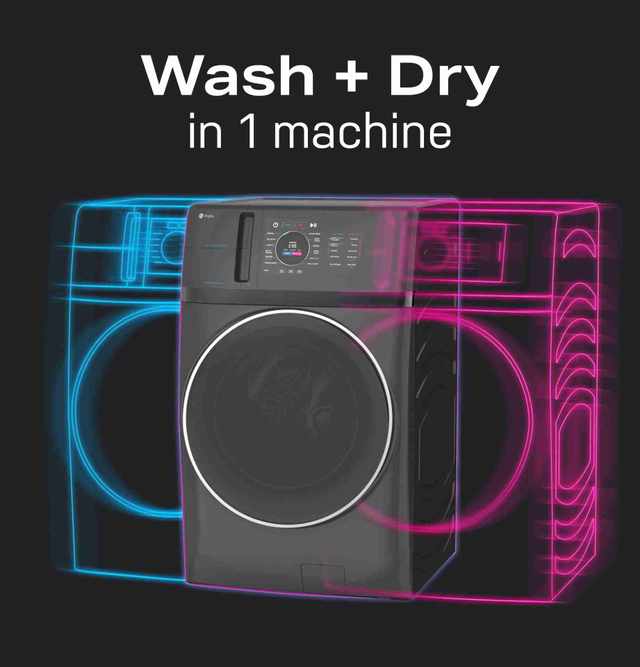
There's a growing category of laundry appliances that's redefining what's possible in apartments, condos, smaller homes, and even luxury spaces where flexibility matters more than throughput. All-in-one washer/dryer combos — machines that wash and dry your laundry in a single drum without ever moving the load — have evolved dramatically. Today's generation of heat pump-equipped combos bear almost no resemblance to the slow, underperforming combination units of years past.
However, they're still not the right appliance for everyone, and understanding exactly what they are — and what they aren't — is the key to making a confident purchase decision.
What Makes a Modern All-in-One Different

The all-in-one combo market in the United States is currently led by a small group of genuinely capable machines, each built around inverter heat pump drying technology. Unlike older condenser combos that used water-cooled condensation to dry clothes (slowly and inefficiently), today's heat pump combos recirculate warm, low-temperature air in a closed loop, extracting moisture through an evaporator and draining it out through the same plumbing as the washer. The result is gentler drying, significantly lower energy consumption, and no need for an external exhaust vent.
The leading ventless options on the market include the Samsung Bespoke AI Laundry Combo WD53DBA900HZ (5.3 cu. ft.), the LG WashCombo All-in-One WM6998HBA (5.0 cu. ft.), the GE Profile UltraFast Combo PFQ97HSPVDS (4.8 cu. ft.), and the flagship LG SIGNATURE WashCombo WM9998HBA (5.8 cu. ft.). Samsung has also introduced something genuinely new to the category: the Bespoke AI Vented Laundry Combo WD90F53AVB (5.3 cu. ft.) — the first-ever vented all-in-one combo in its class — which we'll cover in detail below.
The Core Benefits: Why People Love These Machines
True "Load and Go" Convenience
The most universally praised aspect of owning an all-in-one combo is the complete elimination of load transfer. You put your laundry in, press start, and come back to dry clothes. No second machine. No watching the clock so wet clothes don't sit and wrinkle. No carrying a heavy, wet load across the room.
For anyone who has ever forgotten a load in the washer overnight and had to rewash it, this benefit alone can feel life-changing.
Installation Flexibility No Separate Pair Can Match
Every ventless combo on this list operates on a standard 120V household outlet. No 240V dryer outlet required. No external exhaust duct. As long as you have a water supply line and a drain, you can install one of these machines in a closet, a bathroom, a kitchen, a spare bedroom — essentially anywhere in the home that a traditional laundry setup could never reach.
This is particularly significant for apartment and condo dwellers, older homes without dedicated laundry rooms, and buyers converting non-traditional spaces into functional laundry areas.
Significant Energy Savings
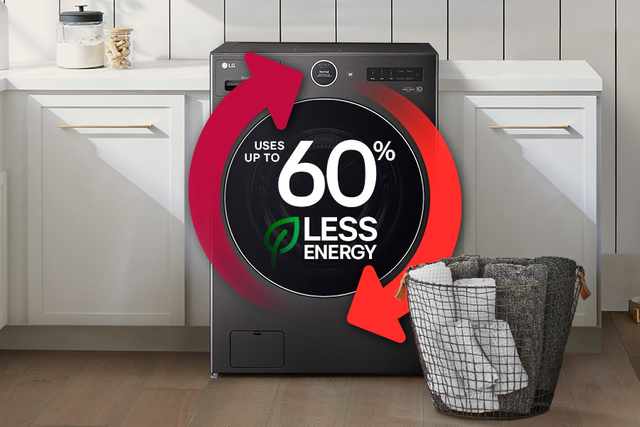
Heat pump technology is the most energy-efficient drying method available. The LG WM6998HBA uses up to 60% less energy per load compared to a similarly sized vented dryer. The LG SIGNATURE WM9998HBA, with its Dual Inverter Heat Pump, claims up to 52% less energy versus conventional heater combos. The GE Profile PFQ97HSPVDS is rated 50% more energy efficient than a standard electric dryer. All models covered here carry ENERGY STAR certification.
Footprint That Defies the Machine's Capability
These are full-size, 27–28-inch wide front-load machines. They take up the space of one washer — not two appliances — while handling the laundry duties of both. For homes where square footage in the laundry area is limited, that's a significant practical win.
Capacity: Bigger Than You Might Expect
One of the most common misconceptions about all-in-one combos is that they're small machines for small loads. The current generation tells a very different story.
- LG SIGNATURE WM9998HBA — 5.8 cu. ft. (the largest heat pump combo currently available)
- Samsung WD53DBA900HZ — 5.3 cu. ft.
- Samsung WD90F53AVB (vented) — 5.3 cu. ft.
- LG WashCombo WM6998HBA — 5.0 cu. ft.
- GE Profile PFQ97HSPVDS — 4.8 cu. ft.
All of these machines can handle a king-size comforter in a single wash load. However — and this is a critical distinction — the effective drying capacity is meaningfully lower than the wash capacity. Heat pump dryers need adequate airflow around garments to extract moisture efficiently. Overloading the drying function with the same volume of clothing you washed will extend cycle times significantly and can result in inconsistent drying.
Pedestal Compatibility: An Important Detail
Not every all-in-one combo is compatible with a standard pedestal. The LG WM6998HBA is compatible with LG's SideKick™ pedestal washer (sold separately), which does double duty as a raise platform and a secondary washer for smaller loads — a compelling feature for busy households. The LG SIGNATURE WM9998HBA also supports pedestal use, as well as both the ventless and vented Samsung models.
GE models are not pedestal compatible, but can typically be placed on a 7-inch riser, which raises the door opening to a more comfortable loading height and is a useful alternative for anyone concerned about bending down to access a floor-level front-loader. If ergonomic access matters to you, confirm pedestal availability for your specific model before purchasing.
Setting Real Expectations: The Honest Performance Conversation
This section matters more than any spec sheet. Every manufacturer publishes impressive cycle time claims, and none of them are false — but they're also not the full picture.
The "As Fast As" Fine Print
Samsung advertises the WD53DBA900HZ completing a wash and dry cycle in 98 minutes. LG advertises the WM6998HBA completing a cycle in as fast as 2 hours. GE promotes the PFQ97HSPVDS at approximately 90 minutes on Quick Wash + Dry. These figures are real — under specific conditions.
Samsung's 98-minute claim is based on the Super Speed cycle using a 10-lb. DOE standard test load (50% cotton, 50% polyester), with the dryer beginning from a state of residual moisture content after the spin cycle. LG's 2-hour claim is based on a 10-lb. DOE load in Energy Saver drying mode. GE's 90-minute claim is based on the Quick Wash + Dry cycle with the same 10-lb. test load.
A full-capacity load — the king-size comforter, a week's worth of jeans and towels, heavy cotton bedding — will not dry in 98 minutes on a ventless heat pump combo. Real-world full-load drying times for ventless machines frequently run 3 to 5 hours for heavier items. Consumer Reports testing of the GE Profile, for example, recorded 3.5 hours to dry a 12-pound load. This isn't a flaw; it's the nature of low-temperature, closed-loop heat pump drying.
The practical takeaway: for lighter everyday loads — a few days' worth of work clothes, a set of sheets, or activewear — these machines perform close to their advertised times and are genuinely convenient. For heavy, bulky, or oversized loads, they require more time and patience than a conventional dryer pair.
How Clothes Feel Coming Out
Heat pump dryers operate at lower temperatures than conventional dryers. Clothes coming out of a ventless all-in-one can feel slightly cooler or less "hot from the dryer" than people are accustomed to. In many cases, giving clothes a brief shake and a few moments in room air resolves this completely. This is a normal characteristic of the technology — not a sign that the load is still wet.
What Customers Consistently Praise
- The genuine freedom of not having to babysit the laundry and transfer loads
- Quiet operation, particularly on LG's Inverter Direct Drive models
- The quality of the wash cycle, which is on par with standalone front-loaders
- Smart app features — notifications, remote start, cycle monitoring — that make laundry less intrusive to daily life
- Energy savings that are noticeable on utility bills over time
- The space freed up in the home by replacing two machines with one
What Customers Consistently Criticize
- Extended drying times for full or bulky loads, often coming as a surprise if expectations weren't set beforehand
- Lint filter maintenance requirements — these machines need their lint filters cleaned regularly (on some models, after every load) to maintain drying efficiency
- The inability to run a second load while the first is drying — there is only one drum
- Longer combined cycle times compared to running a washer and a separate dryer simultaneously
Who the All-in-One Combo Is — and Isn’t — For
It's a strong fit for:
Apartment and condo residents where exhaust venting is impossible or prohibited, or where a 240V dryer outlet doesn't exist. The 120V plug-in convenience of these machines opens up laundry options that simply weren't available before.
Single-person or couple households that don't generate high daily laundry volume. When you're not doing multiple loads back-to-back every day, the single-drum limitation rarely becomes a real constraint.
People with flexible laundry schedules who can start a load and let it run its full cycle without needing to rush through it. These machines reward patience and punish urgency.
Buyers converting non-laundry spaces — closets, bathrooms, kitchen alcoves — who need go-anywhere installation flexibility.
Energy-conscious buyers who want the most efficient laundry option available and are willing to trade some speed for meaningfully lower operating costs.
Households with delicate fabrics and fine clothing — the low-temperature heat pump drying is genuinely gentler on clothes than high-heat conventional dryers, and owners of athletic wear, knitwear, and delicates often appreciate the difference.
It may not be the right fit for:
Large, active households doing five or more loads of laundry per week, particularly with heavy items. The single-drum design means every load is sequential, and drying times for bulky items can stack up quickly.
Anyone who regularly washes king-size comforters or heavy bedding as a frequent routine. While these machines can wash them, the drying performance on very bulky items is where the ventless heat pump is most challenged.
Buyers who want laundry done in under an hour as a consistent, everyday expectation. That experience belongs to a separate washer and vented dryer pair.
The Exception: The Samsung Bespoke AI Vented Combo (WD90F53AVB)

The Samsung WD90F53AVB is in a category of its own — and it changes the calculus for a broader range of buyers.
This is the first vented all-in-one washer/dryer combo in its class. While every other machine on this list uses heat pump drying, the WD90F53AVB uses a conventional vented electric dryer system — an internal heater and fan that moves hot air through clothes and exhausts moisture to the outside, exactly the way a standalone dryer does. The result is dramatically faster drying performance.
With a 5.3 cu. ft. ultra-large capacity, the WD90F53AVB delivers a complete wash and dry cycle in 68 minutes — and unlike the ventless machines, that 68-minute figure is far more representative of real-world performance on practical loads, because vented drying scales much more predictably with load size.
What this means for installation: The trade-off is that the vented combo requires the same hook-ups as a conventional washer/dryer pair — a 240V outlet, a water line, and a drain, plus a dryer exhaust duct to the exterior. Installation simply requires swapping out your current washer and electric dryer — no additional laundry hook-ups needed, provided you already have those connections in place. It does not offer the go-anywhere 120V flexibility of the ventless models.
Who this is for: The WD90F53AVB is compelling for buyers who want the load-and-go convenience of a single machine but don't want to accept the extended drying times of a ventless heat pump combo. If you already have a standard laundry hookup with a 240V outlet and dryer vent, swapping to this machine gives you all-in-one convenience with drying performance that competes with a conventional dryer, and provides the same space-saving benefits of other all-in-ones. It's the all-in-one for households that weren't quite sold on the ventless category.
The pedestal story: The WD90F53AVB is compatible with a Samsung pedestal, which adds storage and raises the door to a comfortable loading height — the same convenience upgrade available on standalone front-loaders.
Ventless vs. Vented: A Direct Comparison
| Feature | Ventless Heat Pump Combos | Vented (Samsung WD90F53AVB) |
|---|---|---|
| Power requirement | 120V standard outlet | 240V outlet required |
| Dryer vent | Not required | Required |
| Installation flexibility | Go-anywhere | Existing laundry hookup needed |
| Drying technology | Inverter heat pump | Conventional electric |
| Drying speed | Slower (heat pump efficiency) | Faster (comparable to standalone dryer) |
| Energy efficiency | Significantly lower energy use | Standard electric dryer efficiency |
| Full-load drying | 3–5 hours typical for heavy loads | Much closer to advertised times |
| Fabric gentleness | Lower temp — gentler on fabrics | Higher temp — standard dryer care |
| Best for | Apartments, condos, flexible schedules | Homes with existing hookups, high-volume households |
Smart Features Across the Board
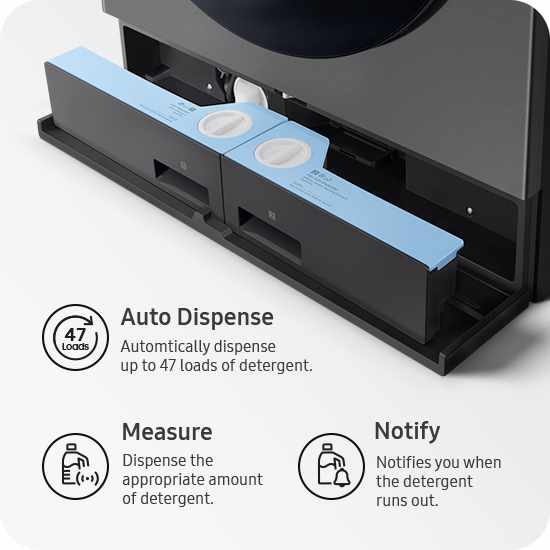
Every machine in this roundup comes with robust smart connectivity. Samsung's WD53DBA900HZ and WD90F53AVB connect through the SmartThings app with AI Opti Wash & Dry™, which detects soil level and fabric type to adjust settings automatically. Both Samsung models feature a 7-inch AI Home LCD touchscreen and support voice control. The auto-dispense system on both holds up to 47 loads of detergent, eliminating the need to measure with each use.
LG's WM6998HBA and WM9998HBA connect through the ThinQ® app with AI Wash technology that reads fabric texture, load size, and soil level to select optimal settings. The WM6998HBA features the practical ezLintFilter — a hands-free lint removal system that lets you dispose of lint without touching it. The WM9998HBA, as LG's flagship SIGNATURE model, steps up to a 7-inch LCD touchscreen, Dual Inverter Heat Pump technology, and ThinQ UP™ software updates that can add new features over time.
The GE Profile PFQ97HSPVDS uses an Adaptive SmartDispense™ system that holds enough detergent and softener for up to 32 loads, and when paired with the SmartHQ™ app, it can scan the barcode on a detergent bottle and automatically dispense the correct amount based on the specific product. It also includes a unique pet hair removal pre-cycle that uses filtered high-speed air before washing to capture dry pet hair, reducing water usage and improving wash results for pet owners.
The Bottom Line
All-in-one washer/dryer combos have earned their place in the appliance market, and today's heat pump models are genuinely impressive machines. They deliver real convenience, meaningful energy savings, and installation flexibility that no separate washer/dryer pair can match. The best results come to buyers who understand what they're optimizing for: the elimination of load transfer and the freedom to install laundry virtually anywhere, in exchange for accepting longer drying cycles and a sequential (rather than simultaneous) laundry workflow.
For households with standard laundry infrastructure and a need for faster throughput, the Samsung WD90F53AVB vented combo opens a door that didn't previously exist — all-in-one convenience without the drying time compromises of the heat pump category.
The right machine in this category, for the right household, is genuinely transformative. The key is matching the machine to the lifestyle — not expecting the lifestyle to adapt to the machine.
Questions to ask yourself to find the right fit:
Do you travel a lot, or work long hours?
(Ventless machines with longer dry times won’t matter as much. Start the load, come back to a washed and dried load later).
Do you do laundry routinely throughout the week (smaller but more frequent loads), or do you usually do a week’s worth of laundry on your day off/weekend all at once?
(Ventless options are perfect for smaller, more frequent loads throughout the week, while the vented option is a more traditional workhorse for larger, back-to-back loads)
How many people are in the household/what size bedding do you wash?
(Ventless options, as discovered, are less ideal for larger households and large laundry volume, while the vented option excels in these conditions much like a traditional laundry pair).