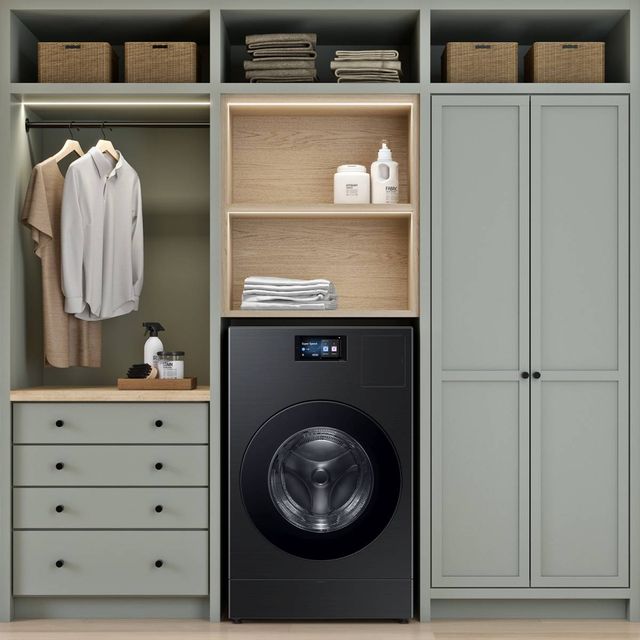
A washer and dryer in one machine sounds like the perfect solution. But is it too good to be true?
All-in-one washer and dryer combinations have become increasingly popular, allowing customers to wash and dry their clothes without ever transferring laundry between two machines.
The convenience is appealing. Load your laundry, press start, and come back to clean, dry clothes.
But before investing in a 2-in-1 washer and dryer, there are some common complaints and limitations you should understand.
At Big Sandy Superstore, we believe the best appliance isn't necessarily the newest or most expensive. It's the one that works best for your household.
Here are seven of the biggest concerns shoppers should consider.
Browse All-in-One Washer & Dryer Combos
Compare vented and ventless 2-in-1 laundry models alongside traditional washer and dryer pairs at Big Sandy Superstore.
1. Drying Times Can Be Significantly Longer
One of the most common complaints about combination washer/dryers is how long they can take to finish a load.
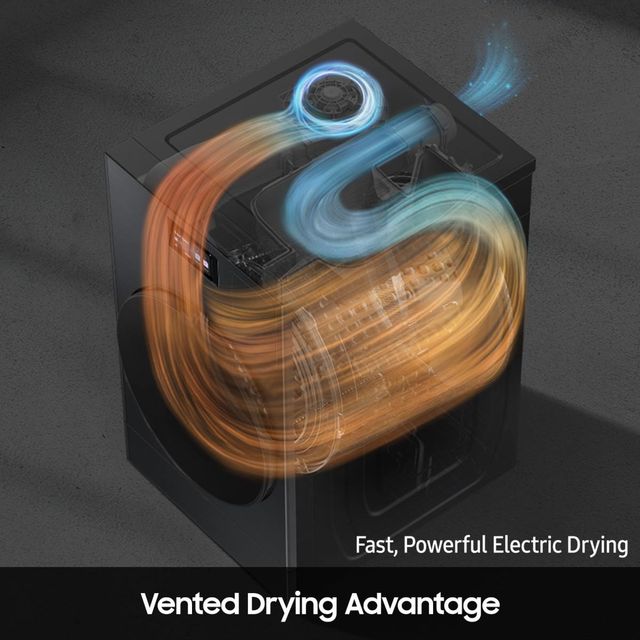
Many all-in-one units use ventless heat pump technology to remove moisture from clothing. While these systems can be extremely energy-efficient, drying times may be longer than customers are accustomed to with conventional vented dryers.
Larger loads, heavy towels, jeans, and bulky bedding can take additional time.
But What If You Don't Need a Ventless Washer/Dryer?
This is where Samsung offers an interesting alternative.
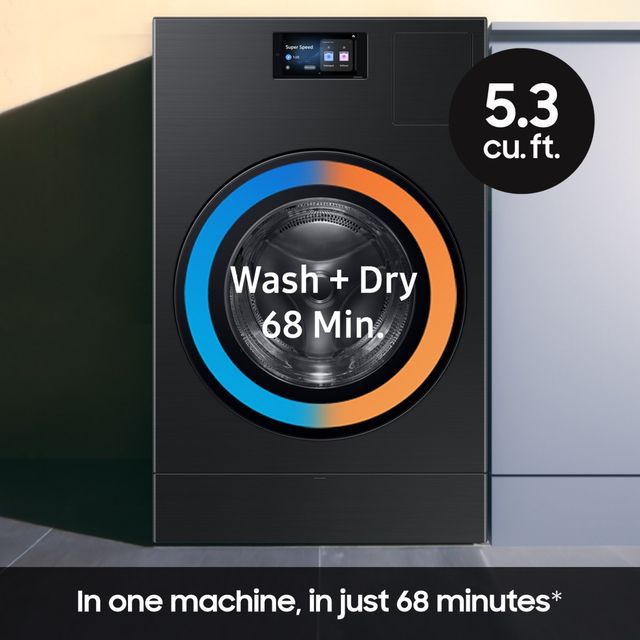
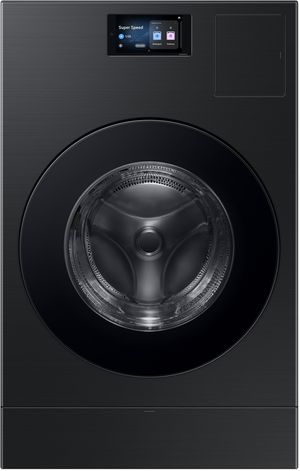
If your laundry room already has a traditional dryer vent and 240V electrical connection, Samsung's Bespoke AI Vented Laundry Combo may be worth serious consideration.
Unlike many ventless combination machines, Samsung offers a 240V vented all-in-one model specifically designed to deliver faster drying performance while maintaining the convenience of washing and drying in a single machine.
Samsung advertises:
- 68-minute wash-and-dry cycle on its 240V vented model using Super Speed.
- 98-minute wash-and-dry cycle on its 120V ventless model using Super Speed.
- A spacious 5.3-cubic-foot capacity.
- No need to transfer clothes between appliances.
That's approximately 30 minutes faster for the complete wash-and-dry cycle under the manufacturer's specified conditions.
Actual cycle times will vary depending on load size, fabric type, and settings.
Our advice: If you don't specifically need a ventless machine, don't automatically assume a ventless 120V combination washer/dryer is your best option. Samsung's 240V vented alternative may provide the all-in-one convenience you're looking for with significantly faster cycles.
2. You Can't Wash One Load While Drying Another
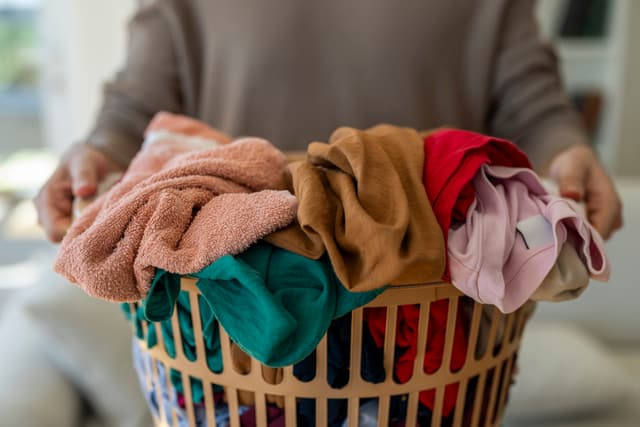
This may be the biggest disadvantage for larger families.
With a traditional washer and dryer, you can wash your second load while the first load is drying.
With a 2-in-1 unit, both functions happen in the same drum.
That means your next load generally cannot begin until the previous load has completed both washing and drying.
If your household regularly tackles four or five loads of laundry in a day, this can become frustrating.
Our advice: If you frequently run multiple loads back-to-back, a separate washer and dryer may be a much better fit. Even faster all-in-one machines cannot wash and dry separate loads simultaneously.
3. Clothes May Not Feel Completely Dry
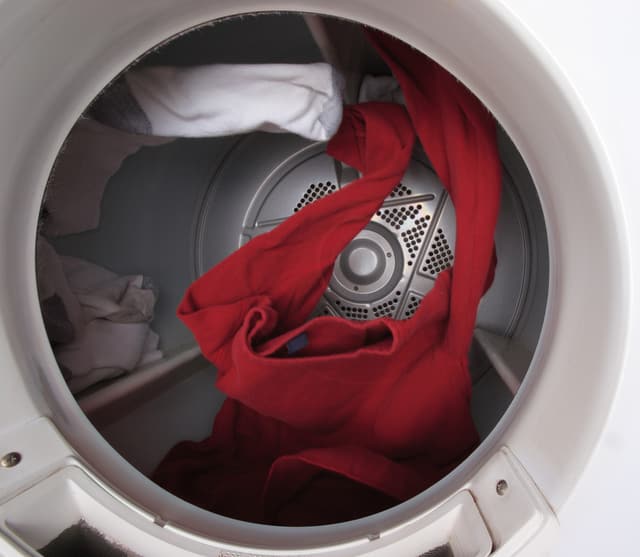
Another common concern is removing clothes that feel slightly damp after the cycle finishes.
Heat pump dryers use lower drying temperatures than conventional dryers, and clothes may feel different immediately after a cycle.
However, some customers do experience genuinely damp laundry, particularly with heavier items or mixed loads containing different fabric types.
Overloading the machine or neglecting filter maintenance can make the problem worse.
Our advice: Ask how the specific machine handles towels, jeans, and bedding. Those are often more meaningful comparisons than a small load of lightweight clothing.
4. Lint and Filter Maintenance Can Be More Involved
Many shoppers assume that eliminating a separate dryer also eliminates some of the maintenance.
That's not necessarily true.
Depending on the model, all-in-one machines can have lint filters, drain pump filters, and other components requiring regular cleaning.
Improper maintenance can reduce drying efficiency, increase cycle times, and potentially lead to service problems.
Our advice: Ask your salesperson to demonstrate the maintenance process before purchasing. Requirements differ substantially between manufacturers and vented versus ventless designs.
5. Repairs Can Be More Complicated

With separate appliances, a dryer breakdown doesn't necessarily prevent you from washing clothes.
With a combination machine, a mechanical problem can potentially leave you without both laundry functions.
All-in-one machines combine washing components, drying components, electronics, and additional technology in a single appliance.
This makes manufacturer support and service availability particularly important.
Our advice: Consider warranty coverage, service availability, and parts support when comparing models.
6. Large Families May Find the Capacity Limiting

Even when an all-in-one unit advertises a large drum capacity, washing and drying performance can differ.
A load that fits comfortably inside the machine for washing may not have enough room to tumble efficiently during drying.
Large comforters, thick blankets, and heavy towels can be especially challenging.
Our advice: Consider how much laundry you realistically need to wash and dry at one time, not simply the advertised capacity.
7. They May Not Be the Best Value for Every Household
An all-in-one washer and dryer can be a smart investment, particularly when space is limited or a conventional dryer vent isn't available.
But convenience comes with tradeoffs.
Depending on the model, a combination unit may cost as much as, or more than, a traditional washer and dryer pair.
And while heat pump technology can reduce energy consumption, the potential savings may not outweigh other considerations for every household.
Our advice: Compare the complete cost of ownership, including purchase price, energy use, maintenance, warranty coverage, and expected laundry volume.
Vented vs. Ventless All-in-One Washer/Dryers: What's the Difference?
Not all combination washer/dryers operate the same way, and understanding the difference can help avoid disappointment.
| Feature | Samsung 120V Ventless Combo | Samsung 240V Vented Combo |
|---|---|---|
| Electrical connection | 120V | 240V |
| Dryer vent required | No | Yes |
| Advertised Super Speed wash + dry | 98 minutes | 68 minutes |
| Capacity | 5.3 cu. ft. | 5.3 cu. ft. |
| Transfer laundry between machines | No | No |
| Best suited for | Homes without dryer venting | Homes with existing venting that prioritize faster cycles |
Cycle times are manufacturer-advertised Super Speed results, not guarantees for every load.
Samsung 240V Option MSRP $3,099
Are All-in-One Washer and Dryer Combos Bad?
Absolutely not.
In fact, some customers love them.
Newer combination units have improved significantly compared with older designs.
They can offer several meaningful advantages:
- No need to transfer clothes between the washer and dryer.
- Space-saving designs.
- Ventless options for homes without traditional dryer venting.
- Energy-efficient models.
- Convenient automated wash-and-dry cycles.
And with newer vented models, customers now have additional options that address concerns about lengthy drying cycles.
The important thing is understanding the tradeoffs before buying.
Who Should Buy a 2-in-1 Washer and Dryer?
An all-in-one washer/dryer may be ideal for:
- Singles or couples with modest laundry needs.
- Apartments and condos with limited space.
- Customers who value unattended wash-to-dry convenience.
- Homes without dryer vent access.
- Households wanting to simplify their laundry routine.
A traditional washer and dryer pair may be better for:
- Larger families.
- Households washing multiple loads daily.
- Customers who frequently wash bulky bedding and towels.
- Anyone prioritizing the ability to wash and dry different loads at the same time.
And for customers who want an all-in-one machine but are concerned about drying times, a 240V vented combination model deserves a closer look.
Frequently Asked Questions About All-in-One Washer and Dryer Combos
The most common frustration is the time required to complete multiple loads of laundry. Because washing and drying happen in the same drum, you generally cannot start washing another load while the first load is drying. Some ventless models also have longer drying cycles than traditional vented dryers.
Yes, modern combination machines are designed to wash and fully dry clothing. However, performance depends on the model, load size, fabric type, cycle selection, and maintenance. Bulky items and overloaded drums can contribute to damp clothing at the end of a cycle.
Cycle times vary substantially by model and load size. Some machines may take several hours to wash and dry a large load.
Newer technology has improved performance significantly. For example, Samsung advertises a 68-minute complete wash-and-dry Super Speed cycle on its 240V vented Bespoke AI Laundry Combo under specified test conditions.
Actual cycle times may be longer, particularly for heavy or bulky laundry.
They can be. Vented models use an exhaust system to remove moisture, while ventless heat pump models use a different drying process that typically operates at lower temperatures.
Samsung's 240V vented combination advertises a 68-minute Super Speed wash-and-dry cycle compared with 98 minutes on its 120V ventless version.
That makes the vented option particularly attractive for customers who prioritize faster cycles and already have the necessary installation connections.
Not always.
Many ventless heat pump combination machines operate on a standard 120V electrical connection.
However, certain models, including Samsung's 240V vented combination washer/dryer, require a compatible 240V electrical connection and traditional dryer vent.
Always verify the installation requirements of the specific model before purchasing.
Reliability depends on the manufacturer, specific model, usage, and maintenance.
Because a combination unit performs both washing and drying, a significant mechanical failure may interrupt both functions.
Customers should evaluate warranty coverage, available service support, and long-term maintenance requirements rather than assuming that all combination machines are equally reliable or unreliable.
Many larger-capacity models can accommodate certain comforters and blankets, but the size and material of the item matter.
A comforter may fit inside the drum for washing but require additional space to tumble properly during drying.
Always follow the manufacturer's capacity recommendations and the bedding manufacturer's care instructions.
Many ventless heat pump models are designed to use less energy for drying than conventional electric resistance dryers.
However, energy consumption varies by model, cycle, and frequency of use.
A 240V vented combination may offer faster drying performance, while a ventless heat pump model may offer greater energy efficiency.
Compare the specific models' EnergyGuide information rather than assuming that one design is always the most economical.
For the right household, it could be an excellent choice.
Samsung's 240V vented Bespoke AI Laundry Combo is particularly appealing to customers who want the convenience of a single machine but are concerned about lengthy drying cycles.
It may be a strong option if your home already has a 240V dryer outlet and compatible exhaust vent.
However, larger families that regularly wash multiple loads may still benefit from the ability to operate a separate washer and dryer simultaneously.
Explore Samsung's 240V All-in-One Washer/Dryer at Big Sandy
It depends on your laundry habits.
Choose an all-in-one combination if saving space, avoiding laundry transfers, or using a ventless installation is important to you.
Choose separate machines if you frequently wash multiple loads, have a large household, or want the flexibility to wash and dry at the same time.
If you want an all-in-one machine but are concerned about drying speed, consider a 240V vented model before making your decision.
Our Recommendation: Find the Right Laundry Solution for Your Home
At Big Sandy Superstore, we believe customers should understand both the advantages and limitations of their appliances before making a purchase.
If saving space and eliminating the need to transfer laundry are your priorities, an all-in-one washer/dryer could be an excellent solution.
If you need a ventless application, newer heat pump combination units offer convenient options.
But if you already have a 240V connection and dryer vent, and faster drying times are important, don't overlook Samsung's vented all-in-one washer/dryer.
And if your family regularly washes multiple loads of laundry, a traditional washer and dryer pair may still be the better choice.
Visit your local Big Sandy Superstore and let our appliance specialists help you find the laundry solution that best fits your household.
Shop Washers, Dryers & All-in-One Laundry Appliances at Big Sandy Superstore.